Shopping cart
Your cart empty!
Guides on accounting, GST and AI bookkeeping for small businesses.
Debit note vs credit note explained simply: who issues each, when, the GST rules under Section 34, a purchase return example with journal entries, and a comparison table.
In a GST-registered business environment, documentation plays a crucial role in maintaining transparency, compliance, and smooth operations. One of the most important procurement documents is the GST Purchase Order (PO). Whether you are running a trading company, manufacturing unit, or…
In today’s business environment, especially in countries like India where the Goods and Services Tax (GST) system is implemented, issuing a proper GST quotation has become an essential part of professional transactions. Whether you are running a small trading firm,…

Vikram runs a home renovation business in Jaipur. Every day, potential customers call asking, “How much will it cost to remodel my kitchen?” or “Can you give me an estimate for bathroom tiles?” His old process looked like this: scribble…

In today’s fast-paced business environment, companies face mounting pressure to manage finances accurately while keeping up with evolving compliance standards and growing volumes of data. Traditional accounting processes, often reliant on manual entry and spreadsheets, consume significant time and resources,…

In the fast-paced, ever-evolving world of business, small businesses are constantly searching for ways to streamline operations, reduce costs, and improve efficiency. Among the many advancements in technology, one stands out as a game changer for small business owners: Artificial…

AI accounting software is changing how businesses handle money. It automates tasks like data entry and invoicing. This makes managing money faster and less likely to have mistakes. With AI accounting software, businesses can make better choices. They can also…

Managing your finances can be tough, but you can do it. You just need the right tools and knowledge. Year-end accounting is key for small business owners. Doing it yourself can save money and help you understand your business better….
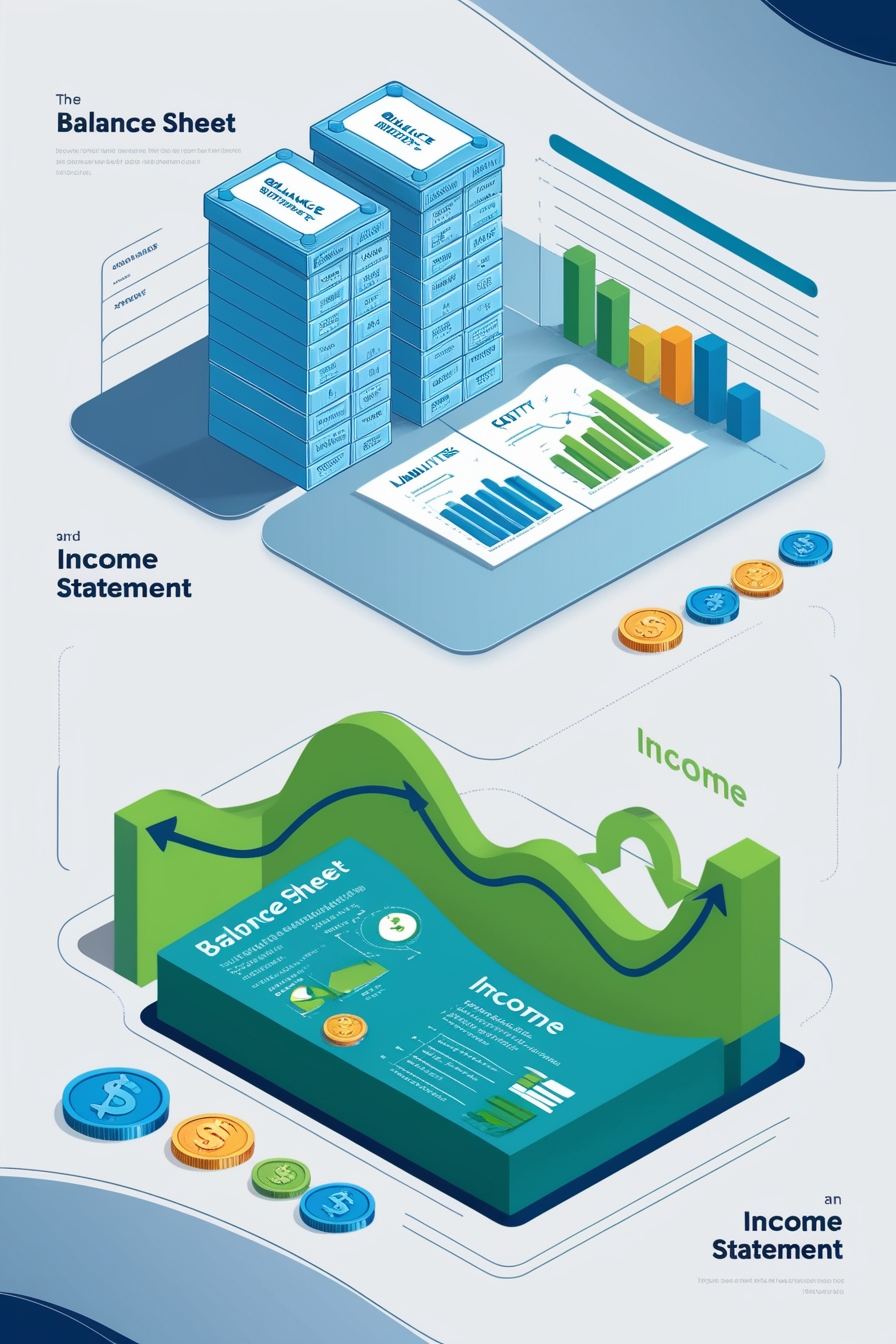
Introduction The balance sheet and the income statement are two of the most important financial statements used by businesses, investors, and stakeholders to assess a company’s financial health. While they serve distinct purposes, both provide critical insights into different aspects…

Introduction When a business returns goods to a supplier, a Purchase Return occurs. These transactions are recorded in the accounting books to reverse the original purchase entry and adjust the inventory and accounts payable accordingly. Proper documentation and journal entries…
As businesses of all sizes face increasing pressure to maintain accurate financial records, the role of artificial intelligence (AI) in accounting is rapidly expanding. Traditional accounting practices often rely on manual data entry and repetitive processes, both of which can…

In the complex world of inventory and supply chain management, handling returns efficiently is just as critical as managing purchases and sales. A well-organized purchase return process can prevent inventory discrepancies, improve supplier relationships, and reduce financial losses. This post…

Bank reconciliation is a critical part of the accounting process, yet it is often seen as one of the most tedious and time-consuming tasks. Matching the transactions in your accounting system to those in your bank statement can be a…

The cash conversion cycle (CCC) is one of the most critical metrics for any business. this tells how fast a business can transform its investments in business assets and other resources into cash flows from sales. A shorter cash cycle…

Is a purchase return a debit or a credit? Purchase returns are credited and the supplier is debited. See balanced journal entries for credit, cash and tax cases.
